Understanding the Role of the Critical Care Team in ARDS Treatment
Understanding the Role of the Critical Care Team in ARDS Treatment
Acute Respiratory Distress Syndrome (ARDS) is a serious condition characterized by the rapid onset of severe inflammation and fluid accumulation in the lungs. This life-threatening condition is particularly challenging because it can affect anyone, regardless of age or pre-existing health conditions, following events such as trauma, pneumonia, infections, or sepsis. A well-coordinated critical care team is essential for managing ARDS effectively, as they deploy various medical interventions to stabilize patients and support their recovery. In this article, we will explore the multifaceted roles of the critical care team, including the importance of communication, individualized care, and technological support, which work in synergy to enhance patient outcomes.
The Composition of the Critical Care Team
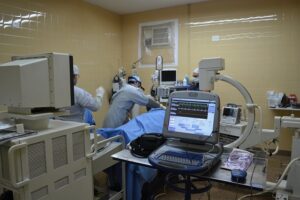
The critical care team for ARDS patients typically includes a range of medical professionals who collaborate closely to provide comprehensive care. This team often comprises respiratory therapists, critical care physicians, nurses, pharmacists, and other specialists. Each member brings unique expertise and plays a vital role in the management of ARDS.
1. Critical Care Physicians: These are often intensivists who specialize in treating severely ill patients. They are responsible for making complex clinical decisions and managing overall patient care. Their focus is on combating the underlying causes of ARDS while closely monitoring respiratory function and vital signs.
2. Nurses: Intensive care unit (ICU) nurses are instrumental in daily patient management, monitoring vital signs, administering medications, and providing basic care. Their presence ensures that any changes in a patient’s condition are promptly addressed.
3. Respiratory Therapists: These professionals assess and manage patients’ respiratory needs using various interventions such as mechanical ventilation, oxygen therapy, and airway management. They work closely with the medical team to establish optimal ventilation strategies tailored to the patient’s unique situation.
4. Pharmacists: Clinical pharmacists contribute by managing a patient’s medication regimen, ensuring that drug interactions are avoided and correct dosages are administered considering the patient’s renal and hepatic function.
- Each member of the critical care team brings specialized knowledge to address the varied challenges presented by ARDS.
- Collaboration among team members fosters a holistic approach to patient care, maximizing the potential for improved outcomes.
- Effective communication within the team is crucial to ensure that all professionals are aware of the patient’s status and any changes to the treatment plan.
The Importance of Communication in ARDS Management
Effective communication is a vital component of ARDS management, particularly in a critical care setting. Frequent and open dialogue among team members keeps everyone informed of the patient’s condition, treatment responses, and any complications that may arise. Regular interdisciplinary rounds, where all members of the critical care team discuss patient cases, can significantly enhance the quality of care.
Moreover, communication extends beyond the medical team itself; it includes providing information to the patient’s family. Educating families about the nature of ARDS, treatment options, and what they can expect throughout the course of care is essential in reducing anxiety and fostering trust. An informed family can also serve as a vital resource for the healthcare team by providing insights into the patient’s history and preferences.
- Incorporating regular team meetings and family conferences can bridge communication gaps.
- Ensuring continuity of care by keeping comprehensive records of discussions and treatment plans can facilitate smoother transitions and evaluations.
- Creating an environment where the team and family feel comfortable asking questions and expressing concerns can foster a collaborative approach to care.
Assessment and Monitoring of ARDS
Accurate assessment and continuous monitoring are crucial in managing ARDS effectively. Upon admission to the ICU, a comprehensive evaluation is conducted to gauge the severity of the disease and ascertain any underlying factors contributing to the patient’s respiratory failure. Key assessments typically involve:
– Clinical evaluation: Detailed physical examination and history taking to identify potential triggers.
– Laboratory tests: Blood gas analyses, complete blood counts, and other diagnostics to assess organ function and infection status.
– Imaging: Chest X-rays and CT scans help visualize lung pathology and exclude alternative diagnoses.
Continuous monitoring of vital signs, blood oxygen levels, and laboratory values is vital. The use of advanced monitoring technologies, such as continuous pulse oximetry, provides real-time data, allowing the critical care team to make rapid decisions. Early identification of respiratory distress signals or changes in hemodynamic status can significantly impact patient outcomes.
- Early detection and intervention are key to improving survival rates in ARDS patients.
- Continuous assessment allows the team to modify treatment plans quickly, ensuring they meet evolving patient needs.
- Implementing standardized protocols for monitoring can streamline assessment and ensure consistency across patients.
Ventilatory Support Strategies
Mechanical ventilation is often a primary intervention for patients with ARDS. Given that this lung condition impairs gas exchange, using ventilators is essential to provide adequate oxygenation and carbon dioxide elimination. The critical care team individualizes ventilatory support based on the patient’s condition, with common strategies including:
1. Low tidal volume ventilation: This technique minimizes lung injury by using lower tidal volumes while still maintaining adequate gas exchange. Studies have shown that keeping tidal volumes around 6 ml/kg of predicted body weight can significantly reduce mortality.
2. Positive End-Expiratory Pressure (PEEP): Applying PEEP helps recruit collapsed alveoli, promoting better oxygenation. However, the optimal level of PEEP varies by patient, and its application must be carefully titrated to avoid hemodynamic compromise.
3. Prone positioning: For patients with severe ARDS, placing them in a prone position can improve oxygenation by redistributing lung perfusion and reducing ventilator-induced lung injury.
- Choosing the right ventilatory strategy can significantly impact outcomes.
- Close monitoring of response to mechanical ventilation is critical to adapt or change strategies promptly.
- Coordination of care among the respiratory therapists and critical care physicians ensures that ventilatory management aligns with best practices.
Pharmacologic Management in ARDS Treatment
Pharmacotherapy is another cornerstone of ARDS management. The critical care team employs various medications to treat underlying causes, manage symptoms, and support lung function. Some of the common pharmacologic interventions include:
– Sedation: Given that many ARDS patients are placed on mechanical ventilation, sedation is often necessary to ensure comfort and tolerance of the ventilator. Careful consideration is given to sedation protocols to prevent over-sedation, which can lead to complications.
– Neuromuscular blockade: In cases of severe ARDS, neuromuscular blocking agents may be used to facilitate mechanical ventilation and optimize oxygenation. These agents must be used judiciously and monitored closely to prevent complications.
– Corticosteroids: Early administration of steroids, particularly dexamethasone, has shown benefits in reducing inflammation and improving outcomes for patients with moderate to severe ARDS, potentially decreasing the duration of mechanical ventilation.
- Precise dosing and monitoring of pharmacotherapy can reduce potential side effects while maximizing benefits.
- Collaborative decision-making regarding the initiation and continuation of medications is essential to provide individualized care.
- Keeping abreast of evolving guidelines and research can help the critical care team apply the most effective pharmacological treatments.
Emotional and Psychological Support
While the physiological management of ARDS is of utmost importance, addressing the emotional and psychological needs of patients and their families is equally crucial. ICU hospitalization can be an overwhelming experience characterized by uncertainty and fear. The critical care team can play a significant role in providing emotional support to patients and their families through:
– Family support services: Connecting families with social workers and support groups can help them navigate the emotional toll of having a loved one in critical condition.
– Psychological services: Access to mental health professionals can be invaluable for both patients and families, offering counseling and coping strategies to manage stress and anxiety.
– Patient engagement: Keeping patients informed about their condition and involving them in decision-making can help mitigate feelings of helplessness and enhance their overall experience.
- Understanding the psychological impact of ARDS can improve patient and family satisfaction with care.
- Integrating emotional support services into the care model can promote overall well-being during recovery.
- Recognizing and addressing potential psychological complications, such as Post-Intensive Care Syndrome (PICS), can contribute to improved long-term outcomes.
Discharge Planning and Follow-Up Care
Discharge planning is a critical phase in the management of ARDS, aimed at ensuring a smooth transition from the ICU to the general ward or home. A successful discharge plan involves assessing the patient’s readiness, providing education about self-care practices, and outlining follow-up appointments with healthcare providers. The critical care team plays an integral role in this process by:
– Coordinating care: Communication with primary care providers and specialists ensures continuity of care post-discharge.
– Patient education: The team should impart essential knowledge about managing respiratory health, recognizing early signs of complications, and adhering to prescribed therapies.
– Developing a follow-up plan: Setting up timely follow-up appointments helps monitor recovery progress and address any arising issues promptly.
- Effective discharge planning can prevent readmissions and promote recovery.
- Involving patients and families in discharge discussions can enhance understanding and compliance with follow-up care plans.
- Utilizing checklists and protocols can standardize discharge processes, ensuring that critical aspects are not overlooked.
Frequently Asked Questions about ARDS and Critical Care
Q: What causes ARDS?
A: ARDS can be triggered by various factors, including pneumonia, sepsis, trauma, and aspiration. These events can lead to systemic inflammation and increased permeability of the alveolar-capillary membrane, resulting in pulmonary edema.
Q: How is ARDS diagnosed?
A: Diagnosis typically involves a combination of clinical assessment, imaging (such as chest X-ray or CT scan), and medical history. The Berlin definition outlines criteria to classify ARDS based on timing, chest imaging, and the degree of respiratory failure.
Q: What is the prognosis for ARDS patients?
A: The prognosis of ARDS varies widely depending on severity, underlying conditions, and response to treatment. Survival rates have improved but can be influenced by factors such as age, comorbidities, and the timeliness of intervention.
Q: How long does recovery from ARDS take?
A: Recovery can vary greatly, ranging from days to months. Some patients may experience lasting effects, such as reduced lung function or secondary complications, necessitating rehabilitation and ongoing care.
Conclusion
In summary, the management of ARDS requires a cohesive and well-trained critical care team dedicated to providing compassionate and comprehensive care. By leveraging the diverse skills and knowledge of its members, the team can effectively assess, monitor, and treat patients suffering from this serious condition. Through effective communication, individualized treatment strategies, and consideration of emotional support, the critical care team plays a fundamental role in improving patient outcomes in ARDS. Continuous education, the integration of new research findings, and sustained collaboration among all team members are essential to enhance care quality. Ultimately, comprehensive ARDS management not only addresses the physiological needs of patients but also supports their emotional well-being during a particularly traumatic time.
For further reading, consider exploring these resources:
- National Institutes of Health: ARDS Overview
- Registered Nurses’ Association of Ontario: ARDS Guidelines
- American Thoracic Society: ARDS Care Directions
Understanding ARDS and the critical care team’s role can allow patients and families to navigate this challenging landscape with greater knowledge and assurance. By fostering an environment of support and information, both healthcare teams and families can work together to confront and overcome this formidable condition.
About ARDS and Post-ARDS
ARDS (Acute Respiratory Distress Syndrome) is a life-threatening condition typically treated in an Intensive Care Unit (ICU). While ARDS itself is addressed during the ICU stay, recovery doesn’t end with discharge; patients then embark on a journey of healing from the effects of having had ARDS.
Disclaimer
The information provided in ARDS Alliance articles is for general informational and educational purposes only and is not a substitute for professional medical advice, diagnosis, or treatment. While we strive to present accurate, current information, the field of Acute Respiratory Distress Syndrome (ARDS) and related healthcare practices evolve rapidly, and ARDS Alliance makes no guarantee regarding the completeness, reliability, or suitability of the content.
Always seek the advice of qualified healthcare professionals with any questions you may have regarding a medical condition. Never disregard professional medical advice or delay seeking it because of information you read in ARDS Alliance articles. ARDS Alliance, its authors, contributors, and partners are not liable for any decision made or action taken based on the information provided in these articles.
About ARDS Alliance
Our mission is to improve the quality of life for ALL those affected by ARDS.
The ARDS Alliance is a non-profit committed to raising awareness and enhancing the understanding of Acute Respiratory Distress Syndrome (ARDS), a severe lung condition often occurring in critically ill patients. Through developing alliances, it unites various organizations and experts striving to improve care and support research aimed at finding more effective treatments. Their efforts include educating the public and healthcare providers about ARDS symptoms, risk factors, and advancements in treatment, ensuring better patient outcomes and resource availability.

I am committed to improving the lives of those affected by acute respiratory distress syndrome. Our organization provides resources and support to patients, families, and healthcare professionals. Together, we work towards raising awareness and advancing research in order to find better treatments and ultimately a cure.
~ Paula Blonski
President, ARDS Alliance
ARDS Articles