ARDS and ICU Care: What Families Need to Know
ARDS and ICU Care: What Families Need to Know
The experience of having a loved one diagnosed with Acute Respiratory Distress Syndrome (ARDS) can be overwhelming and frightening. As families grapple with the uncertainty surrounding this severe condition, it’s vital to understand what ARDS entails, how it is treated in intensive care units (ICUs), and the implications for recovery and support. This article seeks to equip families with the essential knowledge they need to navigate this challenging time, providing clarity and fostering understanding about ARDS and the complexities of ICU care.
Understanding ARDS
Acute Respiratory Distress Syndrome (ARDS) is a serious condition characterized by rapid onset of respiratory failure due to lung inflammation and fluid accumulation. This syndrome can occur in people who are already critically ill or have sustained a major injury, leading to fluid leaking into the alveoli—the tiny air sacs in the lungs. As a result, the lungs cannot provide enough oxygen to the bloodstream. ARDS can arise from various causes, including pneumonia, sepsis, trauma, and inhalation of harmful substances.
Symptoms of ARDS include severe shortness of breath, rapid breathing, confusion, and low blood oxygen levels. The condition is classified into three stages based on severity: mild, moderate, and severe. Early recognition and prompt intervention are crucial in treating ARDS, and the prognosis can vary widely depending on the underlying cause, patient’s overall health, and timely medical intervention.
- ARDS is marked by inflammation and fluid in the alveoli.
- Common causes include pneumonia, sepsis, and trauma.
- Symptoms can present rapidly and must be taken seriously.
- Severity can be classified into mild, moderate, or severe.
ICU Admission: What to Expect
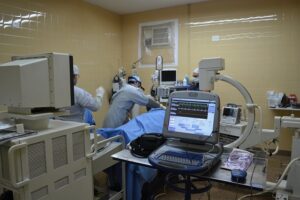
When a patient is diagnosed with ARDS, it is common for them to be admitted to the ICU for close monitoring and intensive care. ICU environments are equipped with advanced medical technologies and staffed by critical care specialists trained to manage life-threatening conditions. Families can expect a highly structured environment designed to provide the necessary care for those with severe respiratory issues.
Each ICU will have its protocols, but families can generally expect the following during their loved one’s stay:
- Monitoring and Treatment: Patients with ARDS are typically placed on mechanical ventilation to assist with breathing and to ensure adequate oxygen levels are maintained.
- Sedation and Comfort: Due to the nature of mechanical ventilation, patients often require sedation to keep them comfortable and reduce anxiety associated with breathing tubes.
- Frequent Assessments: Nurses and doctors will conduct regular assessments and monitor vital signs closely, ensuring any changes in the patient’s condition are promptly addressed.
- Family Communication: In many ICUs, a designated team will be responsible for keeping family members informed about the patient’s condition and treatment plans.
The Role of Mechanical Ventilation
Mechanical ventilation is a lifesaving intervention for ARDS patients. It involves the use of a ventilator machine, which provides breaths to the patient either automatically or as needed. The goal of mechanical ventilation is to ensure adequate oxygen delivery to the body while facilitating the healing of the lungs. Through various modes of ventilation, healthcare providers can tailor the approach to the patient’s specific condition and response to treatment.
It’s important for families to understand that while mechanical ventilation is a critical component of ARDS treatment, it is not without risks. Prolonged ventilation can lead to complications such as ventilator-associated pneumonia, lung injury from over-distention, and delirium. Therefore, the medical team will work assiduously to minimize these risks while promoting lung recovery.
- Mechanical ventilation supports patients with severe respiratory failure.
- Healthcare teams personalize ventilation strategies based on the patient’s needs.
- Risks associated with mechanical ventilation include possible lung injury and infections.
- It is crucial for families to have open discussions with the medical team regarding any concerns.
Understanding Treatment Options
A multidisciplinary approach is often employed in managing ARDS, focusing on treating both the underlying cause and the symptoms. Treatment options may encompass:
- Oxygen Therapy: Patients may receive supplemental oxygen to combat low blood oxygen levels.
- Fluid Management: Careful management of fluids is essential to minimize fluid overload while ensuring sufficient circulation.
- Medications: Depending on the cause of ARDS, medications such as antibiotics for pneumonia or steroids to reduce inflammation may be prescribed.
- Prone Positioning: Repositioning patients onto their stomachs can enhance oxygenation by improving lung function and perfusion.
- Extracorporeal Membrane Oxygenation (ECMO): In severe cases, ECMO may be indicated, providing temporary support when conventional mechanical ventilation is inadequate.
Emotional Support for Families
The emotional toll of having a loved one in the ICU due to ARDS cannot be overstated. Families often experience anxiety, fear, and a sense of helplessness. It is essential to acknowledge these feelings and seek support during this challenging time. Many hospitals offer emotional and psychological resources, including social workers, chaplains, and mental health counselors, who can provide support to families navigating the stress of critical care.
Families can also benefit from connecting with support groups, either virtually or in-person, where they can share experiences with others who have faced similar hardships. Engaging in self-care practices is equally important, as taking care of one’s own mental and physical health will ultimately empower families to be present for their loved ones.
- Utilize emotional and psychological support services within the hospital.
- Engage with support groups to share and learn from others’ experiences.
- Practice self-care amidst the stress of the ICU experience.
- Maintain open communication with family members and friends for additional support.
FAQs About ARDS and ICU Care
Having queries and concerns is entirely normal when navigating the complexities of ARDS and ICU care. Below are some frequently asked questions that can provide further insights:
- What is the prognosis for ARDS? – Prognosis varies widely and depends on multiple factors, including the cause of ARDS, the patient’s age, comorbidities, and the timeliness of treatment.
- How long will my loved one be in the ICU? – The duration of ICU stay for ARDS can differ significantly; it ranges from a few days to several weeks, depending on the patient’s response to treatment.
- Can ARDS cause long-term complications? – Yes, some patients may experience long-term lung issues and functional impairments after recovering from ARDS. Follow-up care is essential.
- Is there anything I can do to help my loved one? – While you cannot directly influence medical treatment, your emotional presence, support, and communication can be invaluable.
Conclusion
Understanding ARDS and the complexities of ICU care can significantly ease the stress and anxiety faced by families during a loved one’s critical illness. Knowledge empowers families to advocate for their loved ones effectively, engages them in the treatment process, and strengthens their emotional resilience. It is crucial to maintain open lines of communication with healthcare providers and to actively seek support through the journey of recovery.
As we continue to raise awareness about ARDS, we can foster a community of understanding and support for those impacted by this condition. Remember, you are not alone; resources, support groups, and healthcare professionals are available to help you and your family navigate this challenging time.
References
- ARDS Definition and Etiology. American Thoracic Society. https://www.thoracic.org/patients/patient-resources/resources/ards.pdf
- Understanding ARDS: A Family Guide, Mayo Clinic. https://www.mayoclinic.org/diseases-conditions/ards/symptoms-causes/syc-20304893
- ICU Care and Emotional Support, The Critical Care Society. https://www.criticalcare.org/education/patient-and-family-resources
About ARDS and Post-ARDS
ARDS (Acute Respiratory Distress Syndrome) is a life-threatening condition typically treated in an Intensive Care Unit (ICU). While ARDS itself is addressed during the ICU stay, recovery doesn’t end with discharge; patients then embark on a journey of healing from the effects of having had ARDS.
Disclaimer
The information provided in ARDS Alliance articles is for general informational and educational purposes only and is not a substitute for professional medical advice, diagnosis, or treatment. While we strive to present accurate, current information, the field of Acute Respiratory Distress Syndrome (ARDS) and related healthcare practices evolve rapidly, and ARDS Alliance makes no guarantee regarding the completeness, reliability, or suitability of the content.
Always seek the advice of qualified healthcare professionals with any questions you may have regarding a medical condition. Never disregard professional medical advice or delay seeking it because of information you read in ARDS Alliance articles. ARDS Alliance, its authors, contributors, and partners are not liable for any decision made or action taken based on the information provided in these articles.
About ARDS Alliance
Our mission is to improve the quality of life for ALL those affected by ARDS.
The ARDS Alliance is a non-profit committed to raising awareness and enhancing the understanding of Acute Respiratory Distress Syndrome (ARDS), a severe lung condition often occurring in critically ill patients. Through developing alliances, it unites various organizations and experts striving to improve care and support research aimed at finding more effective treatments. Their efforts include educating the public and healthcare providers about ARDS symptoms, risk factors, and advancements in treatment, ensuring better patient outcomes and resource availability.

“As the President of ARDS Alliance, I am dedicated to improving awareness and support for patients suffering from acute respiratory distress syndrome. Our organization works tirelessly to provide resources and education to both patients and healthcare professionals. By fostering a community of understanding and advocacy, we strive to make a positive impact on those affected by this devastating condition.”
~ Paula Blonski
President, ARDS Alliance
ARDS Articles